Impressive track record! Prof. Hadiza Usman’s 3-year tenure as Medical Director, FMC Nguru, shows significant progress.
The Medical director Healthcare Revolution In Yobe State, who is actively driving initiatives to enhance healthcare delivery, improve infrastructure, and foster partnerships in Yobe State.
The recent developments under the able leadership of Professor Hadiza Usman, includes the construction of a modern clinic and efforts to advance medical service Key aspects of leadership under Prof. Hadiza Usman:
Upgraded facilities: EHR, theatres, wards, labs
Infrastructure boost: staff housing, solar power, oxygen plant.
Enhanced services: renal complex, mental health, laparoscopic surgery
Accredited training programs and ongoing constructions.
Below are Breakdown of over 50 numbers of Professor Hadiza Usman’s Healthcare Transformation in FMC Nguru in Just 3 Years.
Implementation of EHR at the Centre. Renovation of state-of-the-art Accident and Emergency Unit. Remodeling and equipping of CSSD. Renovation and remodeling of SCBU. Renovation of Obstetric Theatre. Renovation of Pediatric Medical Ward. Renovation of Obstetrics ward. Renovation of Labour ward. Renovation of Gynae ward. Renovation and installation of morgue refrigerator at the Mortuary. Renovation of Doctors’ Quarters. Renovation and remodeling of the fuel dump. Construction of five 3-bedroom houses for staff accommodation-through collaboration with Yobe state Governor, Mai Mala Buni. Construction of saver room extension. Completion of Pharmacy Phase 1. Construction of Pharmacy Complex Phase II. Installation of solar street lights at the Centre, CNS and MBMCH. Provision of new oxygen plant. Installation of oxygen pipeline, collection centers and connection to the wards and theatreI. nstallation of solar panels and inverters at the Administration Block. Installation of solar panels and inverters at the Obstetrics and Gynaecology wards. Installation of solar panels and inverters at the Antenatal Clinic. Installation of solar panels and inverters at the Specialty Clinic. Installation of solar panels and inverters at the Family Medicine Department/GOPD. Installation of solar panels and inverters at the Haematology lab. Remodeling of Dialysis unit into renal complex for renal disease treatment including transplant and construction 16 bedded renal ward. Construction of the state-of-the-art Cytology and Histopathology Laboratory. Construction of cash point. Construction of fencing walk way at the Obstetrics, Labour and Gynae wards. Procurement of two battery driven electric mini ambulances. Staff recreational centre- Ongoing Renovation of public convenience at the Centre. Renovation of Board Guest House. Establishment of mental health department and provision of EGG machine. Provision of operation tables at the Obstetric Theatre. Provision of Laparoscopic operation table. Construction of facility fence garden Motorcycle park construction. construction of 2 Staff car parks. construction of a visitors’ car park. Commencement of (Comprehensive Emergency Mother and Neonatal Care) CEMONC. Commencement of Orthopaedic implant shop. Commencement of laparoscopic surgery. Full accreditation for Residency Training in Obstetrics and Gynaecology. Full accreditation for Residency Training in Family Medicine. Full accreditation of Physiotherapy Department. Accreditation of ND and HND programmes at the College of Nursing Sciences. On-going construction of Modern Diagnostic Centre by NSIA. On-going construction of Specialty Clinic. On-going construction of Administration Block Phase II. On-going construction of Pharmacy Complex Phase III. On-going construction Trauma Centre. Construction of parking space at College of Nursing Sciences. Renovation of a structure and it conversion to skills acquisition Centre at the College of Nursing Sciences. Remodeling of an old structure and furnishing it into an E-library at the college of Nursing Sciences. Procurement of desks and chairs and other furniture at the College of Nursing Sciences. Full Commencement of services at Muhammadu Buhari Mother and Child Hospital Gashua since 1st June 2023. Provision of public toilets at the Muhammadu Buhari Mother and Child Hospital Gashua. Rehabilitation of water facilities at Muhammadu Buhari Mother and Child Hospital Gashua. Installation of bigger capacity over-head tank at Muhammadu Buhari Mother and Child Hospital Gashua. Landscaping/interlocking of some un-interlocked areas at Muhammadu Buhari Mother and Child Hospital Gashua. Installation over one hundred inverters at Muhammadu Buhari Mother and Child Hospital Gashua. Installation of ‘carpark’ solar panels which serve as car parks and shade (in addition to it main functions of solar panel) for the patient relatives at Muhammadu Buhari Mother and Child Hospital Gashua. Provision of Laundry facilities at Muhammadu Buhari Mother and Child Hospital Gashua. Acquisition of new land extension at Muhammadu Buhari Mother and Child Hospital Gashua. Ongoing construction of sewage at Muhammadu Buhari Mother and Child Hospital Gashua. Complete rehabilitation of the hospital roofing at Muhammadu Buhari Mother and Child Hospital Gashua. Provision of office furniture and facilities at Muhammadu Buhari Mother and Child Hospital Gashua.
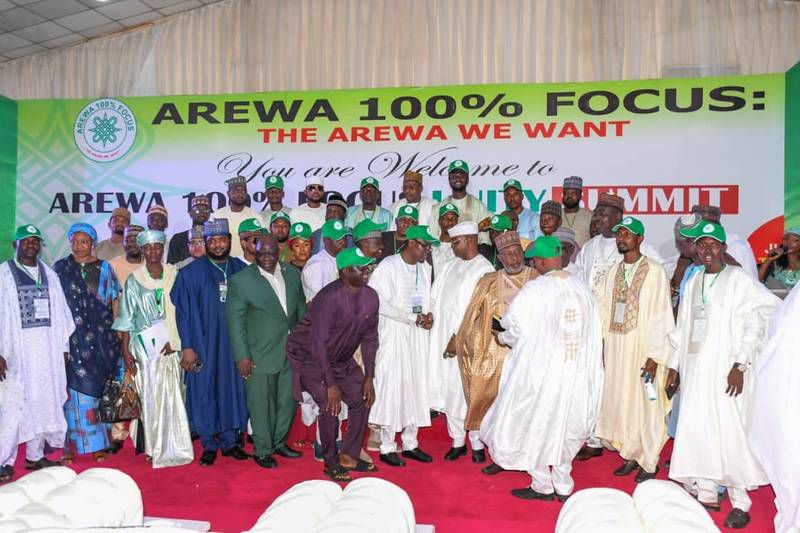
Arewa 100% Focus is a sociopolitical group that is working towards the promotion and upliftment of the culture and interest of the Northern Nigerià has Commended the leadership role of the Arewa Consultative Forum (ACF).
In a statement release recently by the Orgànisation’s Spokes Person. Hon. Abdulhamid Dankyarko and copied the General Secretary , Arewa Consultative Forum (ACF), Mallam Murtala Aliyu and the National President Arewa 100% Focus, Hon. Dr. Abubakar Sadiq Sa’adu Fakai, the Orgànisation condemned misleading information about the North Nigerià by one Mr Alwan Hassan a Party Chieftain.
”Distinguished Compatriots with utmost reverence to the sacred ideals of democracy, truth, and the eternal quest for justice and unity in our nation, we rise in solemn duty to respond with clarity, courage, and conviction to the deeply unsettling and regrettably ill-informed remarks made by Mr. Alwan Hassan, a self-styled stalwart of the All Progressives Congress (APC), during his appearance on TV station recently”
”While we uphold the right of every citizen to express opinion under the canopy of constitutional liberty, we cannot, must not, and will not remain silent in the face of misleading narratives designed to distort facts, denigrate institutions, and insult the collective intelligence of Northern Nigeria”.
”The Unity and Infrastructure: Not Opposing Realities but Complementary Pillars Mr. Hassan’s assertion that “Northern Nigeria needs unity, not infrastructure” is a tragically misguided attempt at oversimplification. It presents a false dichotomy as though we must choose between peace and progress, or harmony and highways.Unity without development is a hollow chant.
”What the North needs is not mere rhetoric, but roads that link our forgotten communities; hospitals that heal our broken bodies; schools that enlighten our future generations; and electricity that powers our industries and potentials. Infrastructure is not a political favor it is a constitutional imperative. It is the vehicle of equality and the guarantor of inclusion.
”We stand firmly with the Renewed Hope Administration of President Bola Ahmed Tinubu, GCFR, whose developmental strides are strategically aimed at lifting every region from the ashes of neglect to the heights of transformation.
”The Fallacy of Uniformity: “One Tribe, One Religion”Even more disturbing is Mr. Hassan’s reckless proclamation that unity in the North can only be achieved through “one tribe, one religion.” This statement is not only constitutionally offensive and historically bankrupt, but also morally reprehensible.Northern Nigeria is not a monolith. It is a radiant constellation of ethnic and religious identities—Hausa, Fulani, Kanuri, Tiv, Nupe, Idoma, Igala, Berom, Jukun, and many more.
”Our strength has never been in forced sameness but in our collective will to live in peace despite our differences.The dream of one tribe and one religion is not unity; it is tyranny disguised as ideology. We refuse to allow such medieval thinking to roll back the wheel of progress. True unity is the celebration of diversity, not its annihilation.
” Political Representation ” A Misguided Premise Mr. Hassan’s claim that religious or tribal identity has permanently barred certain groups from leadership in states like Benue, Plateau, Borno, or Kwara is not only misleading, it is intellectually lazy and politically inflammatory.Yes, challenges persist. But they are not insurmountable. There have been substantial gains in inclusive representation across the North from cross-ethnic electoral victories to interfaith political coalitions. The process of democratic maturity is ongoing and cannot be dismissed by selective outrage.
” That Mr. Hassan would reduce these complexities to soundbites, in service of appeasing his shadowy benefactors, is regrettable. His commentary reeks not of patriotism, but of transactional loyalty a man devouring a plate of ideological porridge in exchange for thirty pieces of rhetorical silver.4. Commendation to the Arewa Consultative Forum (ACF): Custodians of Northern ConscienceIn the face of such ideological bankruptcy, we turn our gaze with gratitude and admiration to the Arewa Consultative Forum (ACF)—a body of rare patriots, elder statesmen and custodians of moral clarity.Their recent bold, non-partisan and unapologetic stance on the insecurity, marginalization, and infrastructural neglect facing Northern Nigeria is both timely and historic. The ACF has, once again, proven itself to be a sanctuary of reason and a fortress of regional integrity.We salute their unshakeable courage in speaking truth to power, not as antagonists, but as watchmen of a region that refuses to be buried in silence. Their commitment to the North’s survival and prosperity, unmarred by political patronage, is a model of patriotic leadership worthy of eternal honor.May history continue to remember them not just as voices of reason, but as architects of hope.”
A Call for Responsible LeadershipThe North does not need alarmists or tribal champions. It needs leaders of vision and valor—men and women who understand that roads build more peace than slogans, and that dignity flows from development, not division.We restate our unalloyed support for President Bola Ahmed Tinubu, whose Renewed Hope Agenda offers a comprehensive blueprint for correcting historical imbalances, reinvigorating regional economies, and restoring confidence in government presence across the North.We therefore call on Mr. Alwan Hassan to rise above the theatrics of political ventriloquism and join the league of nation-builders—if indeed he is serious about the North’s future.
In Conclusion: Let the North Rise in Truth and UnityLet us build a North not of echo chambers, but of enlightened minds.Let us foster unity not through fear, but through fairness.Let us rise not in sameness, but in solidarity with Northern Nigeria according to the statement.
Arewa 100% Focus Refute Distorted facts about Northern Nigerià, Commend ACF Leadership Role
Arewa 100% Focus is a sociopolitical group that is working towards the promotion and upliftment of the culture and interest of the Northern Nigerià has Commended the leadership role of the Arewa Consultative Forum (ACF).
In a statement release recently by the Orgànisation’s Spokes Person. Hon. Abdulhamid Dankyarko and copied the General Secretary , Arewa Consultative Forum (ACF), Mallam Murtala Aliyu and the National President Arewa 100% Focus, Hon. Dr. Abubakar Sadiq Sa’adu Fakai, the Orgànisation condemned misleading information about the North Nigerià by one Mr Alwan Hassan a Party Chieftain.
”Distinguished Compatriots with utmost reverence to the sacred ideals of democracy, truth, and the eternal quest for justice and unity in our nation, we rise in solemn duty to respond with clarity, courage, and conviction to the deeply unsettling and regrettably ill-informed remarks made by Mr. Alwan Hassan, a self-styled stalwart of the All Progressives Congress (APC), during his appearance on TV station recently”
”While we uphold the right of every citizen to express opinion under the canopy of constitutional liberty, we cannot, must not, and will not remain silent in the face of misleading narratives designed to distort facts, denigrate institutions, and insult the collective intelligence of Northern Nigeria”.
”The Unity and Infrastructure: Not Opposing Realities but Complementary Pillars Mr. Hassan’s assertion that “Northern Nigeria needs unity, not infrastructure” is a tragically misguided attempt at oversimplification. It presents a false dichotomy as though we must choose between peace and progress, or harmony and highways.Unity without development is a hollow chant.
”What the North needs is not mere rhetoric, but roads that link our forgotten communities; hospitals that heal our broken bodies; schools that enlighten our future generations; and electricity that powers our industries and potentials. Infrastructure is not a political favor it is a constitutional imperative. It is the vehicle of equality and the guarantor of inclusion.
”We stand firmly with the Renewed Hope Administration of President Bola Ahmed Tinubu, GCFR, whose developmental strides are strategically aimed at lifting every region from the ashes of neglect to the heights of transformation.
”The Fallacy of Uniformity: “One Tribe, One Religion”Even more disturbing is Mr. Hassan’s reckless proclamation that unity in the North can only be achieved through “one tribe, one religion.” This statement is not only constitutionally offensive and historically bankrupt, but also morally reprehensible.Northern Nigeria is not a monolith. It is a radiant constellation of ethnic and religious identities—Hausa, Fulani, Kanuri, Tiv, Nupe, Idoma, Igala, Berom, Jukun, and many more.
”Our strength has never been in forced sameness but in our collective will to live in peace despite our differences.The dream of one tribe and one religion is not unity; it is tyranny disguised as ideology. We refuse to allow such medieval thinking to roll back the wheel of progress. True unity is the celebration of diversity, not its annihilation.
” Political Representation ” A Misguided Premise Mr. Hassan’s claim that religious or tribal identity has permanently barred certain groups from leadership in states like Benue, Plateau, Borno, or Kwara is not only misleading, it is intellectually lazy and politically inflammatory.Yes, challenges persist. But they are not insurmountable. There have been substantial gains in inclusive representation across the North from cross-ethnic electoral victories to interfaith political coalitions. The process of democratic maturity is ongoing and cannot be dismissed by selective outrage.
” That Mr. Hassan would reduce these complexities to soundbites, in service of appeasing his shadowy benefactors, is regrettable. His commentary reeks not of patriotism, but of transactional loyalty a man devouring a plate of ideological porridge in exchange for thirty pieces of rhetorical silver.4. Commendation to the Arewa Consultative Forum (ACF): Custodians of Northern ConscienceIn the face of such ideological bankruptcy, we turn our gaze with gratitude and admiration to the Arewa Consultative Forum (ACF)—a body of rare patriots, elder statesmen and custodians of moral clarity.Their recent bold, non-partisan and unapologetic stance on the insecurity, marginalization, and infrastructural neglect facing Northern Nigeria is both timely and historic. The ACF has, once again, proven itself to be a sanctuary of reason and a fortress of regional integrity.We salute their unshakeable courage in speaking truth to power, not as antagonists, but as watchmen of a region that refuses to be buried in silence. Their commitment to the North’s survival and prosperity, unmarred by political patronage, is a model of patriotic leadership worthy of eternal honor.May history continue to remember them not just as voices of reason, but as architects of hope.”
A Call for Responsible LeadershipThe North does not need alarmists or tribal champions. It needs leaders of vision and valor—men and women who understand that roads build more peace than slogans, and that dignity flows from development, not division.We restate our unalloyed support for President Bola Ahmed Tinubu, whose Renewed Hope Agenda offers a comprehensive blueprint for correcting historical imbalances, reinvigorating regional economies, and restoring confidence in government presence across the North.We therefore call on Mr. Alwan Hassan to rise above the theatrics of political ventriloquism and join the league of nation-builders—if indeed he is serious about the North’s future.
In Conclusion: Let the North Rise in Truth and UnityLet us build a North not of echo chambers, but of enlightened minds.Let us foster unity not through fear, but through fairness.Let us rise not in sameness, but in solidarity with Northern Nigeria according to the statement.
Presidential aspirants under the African Democratic Congress (ADC) coalition are set to sign an agreement committing to support whoever emerges as the party’s presidential candidate ahead of the 2027 general election.
The deal, which has been agreed to in principle, hinges on the conduct of what the aspirants collectively define as a “transparent primary” process.
A final accord is expected once all parties align on the framework for a credible internal election.
Former Minister of Transportation and presidential hopeful Rotimi Amaechi confirmed the arrangement. He emphasised the need to first establish a mutual understanding of transparency in the primary process.
“What we agreed in principle, and I must say there is a need to lay the cards on the table – what we agreed is that whoever emerges from a transparent primary will be supported by everyone,” Amaechi said. “But first, we need to sit down and define what we mean by transparent because it’s easy for someone to hijack the process and still call it transparent,” he added.
The party’s interim national chairman, Senator David Mark, had earlier declared that ADC has no anointed candidate, assuring that the party under his leadership would remain neutral and uphold internal democracy.
“We will be absolutely transparent,” Mark stated on July 8, amid rising speculations and internal lobbying.
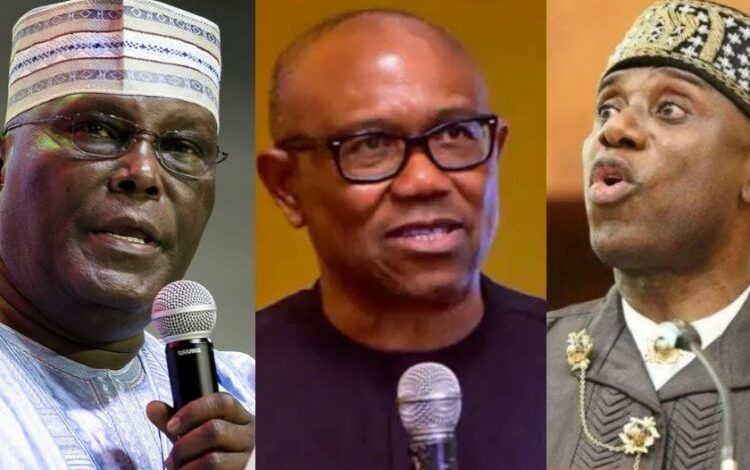
In recent weeks, key political figures in the party including former Vice President Atiku Abubakar and former Labour Party flagbearer Peter Obi have publicly expressed interest in contesting the 2027 presidential election.
Atiku, while receiving a delegation of Gombe stakeholders in Abuja last weekend, subtly hinted at his 2027 ambition but denied attending any meeting where he was urged to step down for a southern aspirant.
Peter Obi, on his part, stated in a media interview that he would contest again and dismissed claims of negotiating a vice-presidential position, asserting that no such discussions had taken place.
Meanwhile, supporters of the former 2019 running mates—Atiku and Obi—have been campaigning for their respective candidacies on social media platforms. Amaechi, who contested for the APC ticket in 2023 and lost to President Bola Tinubu, has also thrown his hat into the ring under the ADC.
In contrast, former Kaduna State Governor Nasir El-Rufai has publicly declared he holds no presidential ambition at the moment.
The Academic Staff Union of Universities (ASUU), Kaduna State University (KASU) Chapter, has successfully conducted its long-awaited election to usher in new leadership.
The election, held on 10th July 2025, at the Main Campus in Kaduna, follows the expiration of the tenure of Dr. Peter Adamu, who now serves as the National Treasurer of ASUU.
The election process began with the accreditation of voters at 9:00 am and concluded a few minutes before 4:00 pm. Members of ASUU across various KASU campuses turned out en masse to participate in the democratic exercise.
The election was observed and supervised by Professor Abdulkadir Danbazu, Kano ASUU Zonal Coordinator.
Our reporter gathered that A total of eight (8) executive positions were up for election. Out of these, three (3) positions: Chairman, Vice Chairman, and Assistant Secretary were contested, while the remaining five (5) positions were unopposed.
The Newly Elected ASUU KASU Executive Members: Chairman: Abubakar Abdullahi (Skippo), Vice Chairman: Adamu Mohammed Bashir, Assistant Secretary: Uwaisu Iliyasu.
Other elected members of the union’s executive council include; Financial Secretary: Sani Dari (Unopposed), Treasurer: Murtala Abdullahi (Unopposed), Welfare Secretary: Bala Reuben Gandu (Unopposed), Internal Auditor: Musa Umaru Gargati (Unopposed) while Investment Secretary: Mary Goje (Unopposed).
In his acceptance speech, the newly elected Chairman, Comrade Abubakar Abdullahi, expressed gratitude for the confidence reposed in him by the academic community.
He pledged to prioritise the welfare of staff members through meaningful reforms and the introduction of people-centered policies.
He reiterated his commitment to running an inclusive administration that fosters collaboration between staff and the university management, as well as relevant government bodies, to ensure better conditions for academic staff in KASU.
The new leadership is expected to build on the legacy of the previous administration and work tirelessly towards advancing the interests of the union and its members.
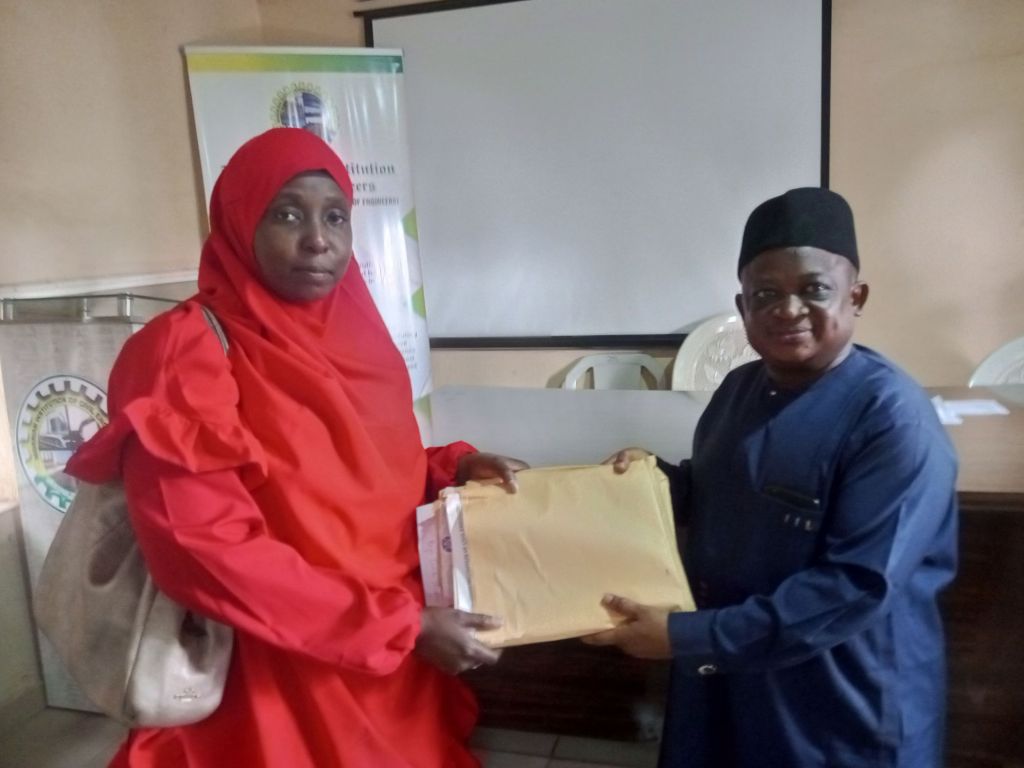
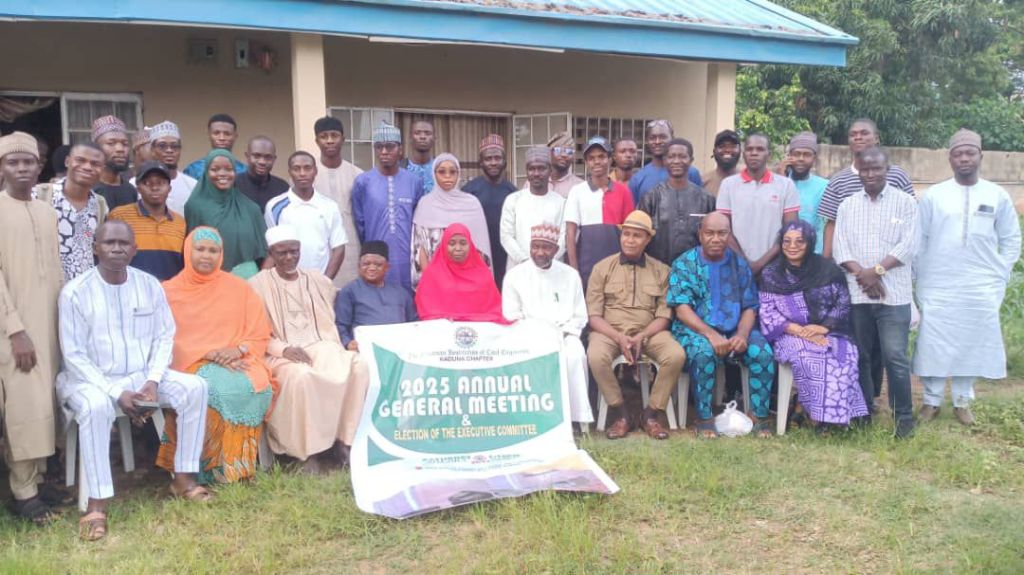
The Nigerian Institution of Civil Engineers ( NICE) Kaduna state Branch has elected a new leadership to pilot the affairs of the institution with Engr.( Dr) Asma’u Hamdana Kankiya emerging as the chairman.
She was elected at General meeting held in Kaduna Saturday with other members of the exco in an election considered free and fair.
Addressing Journalist’s after her election, Engr.( Dr) Asma’u Hamdana said her priority is to unite all the Civil engineers In Kaduna state to move the institution forward.
“I have to carry everybody along so that they feel togetherness and they feel that they belong to that association by continue where the outgoing chairman stopped because the has done well, just I will build where he has done through so many programs that we have always been doing for the success of the association “ Dr. Hamdana ,promising an enhanced membership benefits, adding that she will carry on with the programmes and activities of past administration.
The immediate past chairman of NICE , Engr. Usman Mohammad Falalu, expressed satisfaction with the transparent manner in which the new executives emerged.
While urging the new leadership to continue in the existing initiatives to move the Association forward.
Engr. Falalu, called on the members of the Association to give maximum support to the newly elected executives to continue where he stopped.
Other offices elected include, Vice Chairman, Engr. Hadiyat N Ajogei, Engr . Abdulrahman Musa as General Secretary, Engr. Yusuf Yunusa Asst. Gen. Sec. Engr. Kamilu Akilu Treasurer, financial secretary Engr. Farida Ujudud Shariff, Engr. Mustapha Musa Tech. Sec, Engr Ismail Kilani Asst Tech. Sec, Engr. Seth Atama Ex- Officio l, Engr. Zainab A. Yusuf Ex- Officio ll, Engr. Jacqueline Jakada Publicity Secretary, and Engr. U. M. Falalu IPC among others.
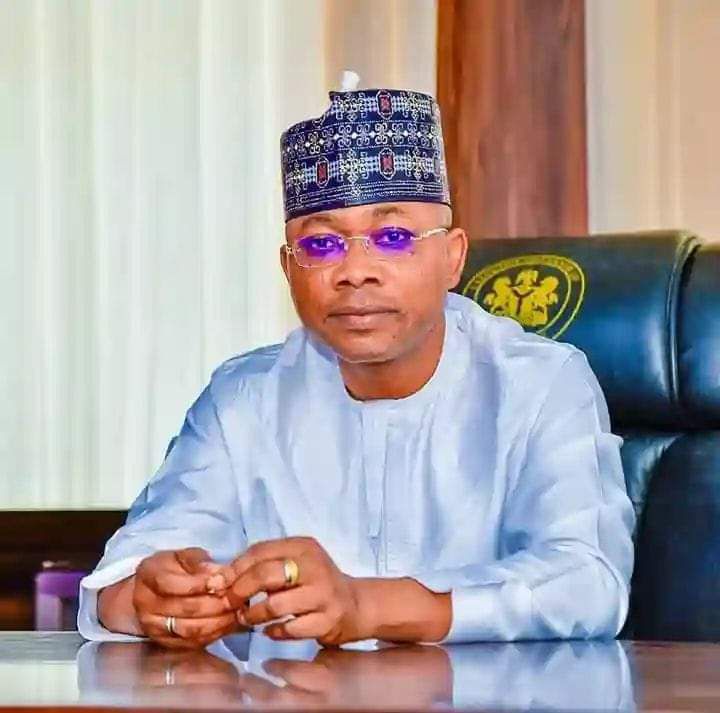
Kogi State Governor, Ahmed Usman Ododo, has extended heartfelt felicitations to his predecessor, Alhaji Yahaya Bello, on the occasion of his 50th birthday.
Governor Ododo, in his tribute to the former Governor, described his 50th birthday anniversary as a milestone worthy of honour and reflection in celebration of a man whose journey in leadership has been defined by courage, transformation, and lasting impact on the lives many individuals and communities across Kogi State and Nigeria.
He recalled that Yahaya Bello made history in 2016 as the youngest Governor in Nigeria and the youngest to lead Kogi State, ushering in what has become a model for building a new generation of leadership in Kogi politics.
“Our leader, Governor Yahaya Bello, came as the pathfinder of the future. He built a system where sons and daughters of anybody could aspire for positions of influence; where streets once forgotten became pathways to leadership; I am here today as the Chief Servant of Kogi State and a living testament to that philosophy,” he said.
According to him, Bello’s administration shattered traditional political glass ceilings by offering opportunities to youth and women across wards and local government areas, regardless of status or background.
He restated that the former Kogi State Governor built men and women of value not just with titles, but with purpose and raised individuals from different backgrounds to the corridors of public service and turned loyal followers into shining lights.
Governor Ododo emphasized that Bello’s philosophy of governance was to serve as a bridge for ordinary people to access opportunities, and he ensured that those who served in his administration remained accessible to the people in their new roles at both state and federal levels.
He acknowledged that Bello’s strides in civil service reform, education, healthcare, infrastructure, and security laid a foundation that continues to guide the present administration to succeed in the state.
“With over 30% of the state’s annual budget invested in education, two new universities established within four years, safer communities and many lives transformed, the results are there and we are consolidating on them.
“His commitment to promoting women in leadership with 35% affirmative action became a signature of inclusive governance, setting the standard for what we are now doing in Kogi State,” he stated.
Governor Ododo said his emergence as a successor to the former Governor is a testament to Bello’s believe in grooming new generations of leaders, stressing that his legacy is manifest in the performance of the present administration, having built a system that is sustainable and worthy of emulation.
He prayed for God’s continued guidance for the former governor in all his future endeavours as he celebrates the momentous anniversary of his 50th birthday.
Ismaila Isah Special Adviser on Media to the Governor
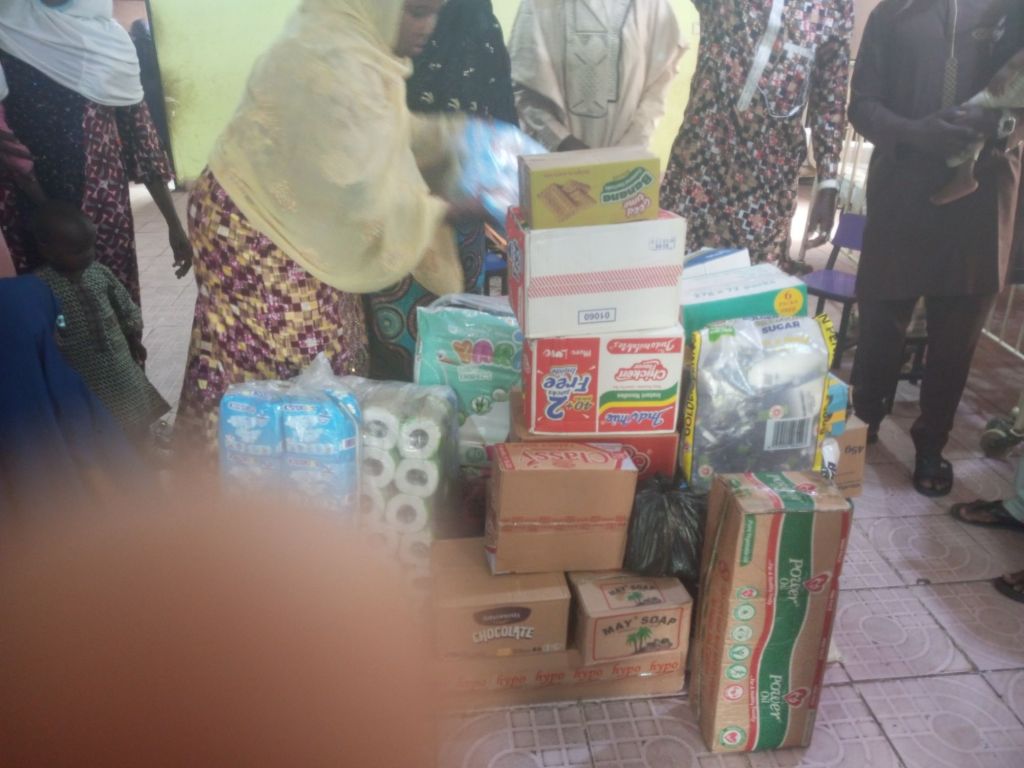
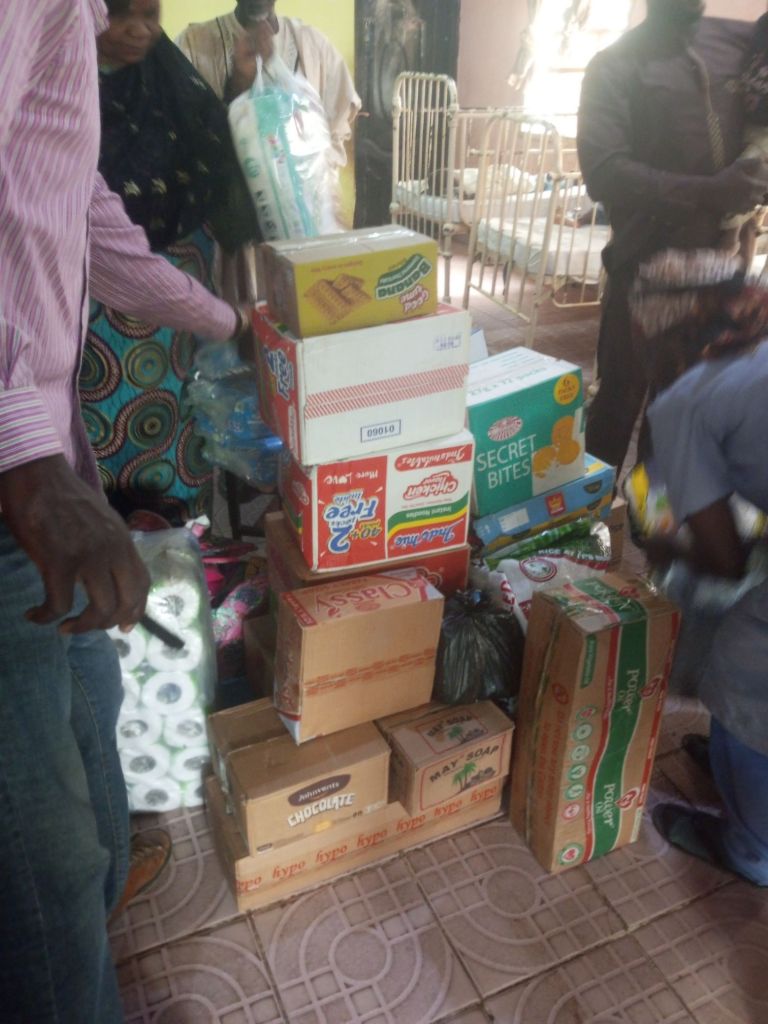
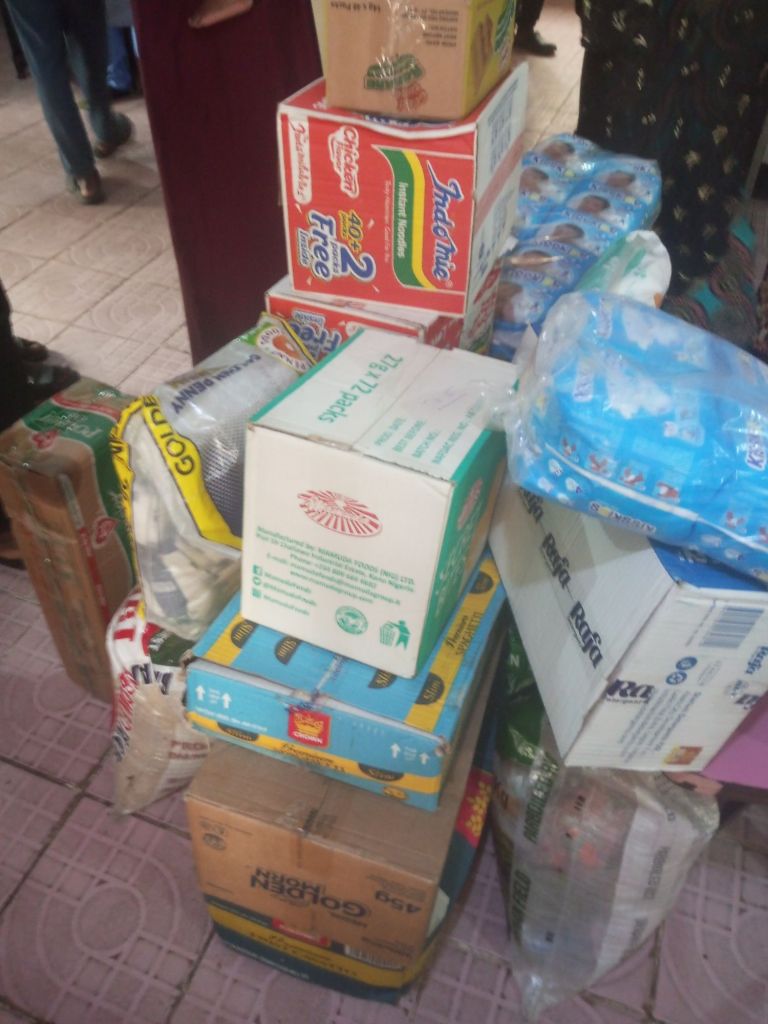
The Nigerian Institution of Civil Engineers Kaduna Chapter, has donated various food items and pampers to Jamiyyar Matan Arewa Orphanage home in Kaduna. The food items donated included rice, beans, semovita, garri, noodles, tomato paste, spaghetti, vegetable oil, tea, food drink, condiment, biscuits, soft drinks and pampers.
In line with it’s Annual Nice week Orphanage support and Corporate Social Responsibility (CSR) initiative, Nigerian Institution of Civil Engineers Kaduna Chapter is providing food items and more to support orphanages across the state every year.
This initiative is in line with the organization plans to reduce hunger in the society particularly orphanages.
Engineer M.O. Ibrahim FNSE, FNICE, led the delegations of the Kaduna Chapter of the Nigerian Institution of Civil Engineers to Jam’iyyar Matan Arewa Orphanage Home to presents the items.
Engr. M.O. Ibrahim said, we submitted the food and other items to the management of Jam’iyyar Matan Arewa Orphanages in order to put smiles on their faces. “Orphanages are an important part of our society that ensure that children without known parents are cared for.
“The work they do is laudable and we at NICE are more than honoured to do what we can to support them.
“We are happy to see the smiles on the faces of the children and the management of the orphanages and we are committed to continuing our work to make their lives brighter.”
In her remarks Engr. Dr. Asma’u Hamdana, MNSE, MNICE, said, “we are with you today to show our concerned, to let you know that you are also a child like any other person and to help you with the little we have, may Allah bless you, she added.”
Also speaking the Chairman the Nigerian Society of Engineers Kaduna Branch Engr Arege Samson Bawa, MNSE, ably represented by Engr. Ellams Abubakar Garba, MNSE, urged other Chapters to emulate NICE Kaduna Chapter in helping the orphans. ” We need to touch their lives because we don’t know what they will become tomorrow, one of them might be a minister, senator, governor, head of state and the female among them might be a first lady in the future, Engr Garba stated,”
In her response the coordinator of Jam’iyyar Matan Arewa Orphanage Home, Hajiya Rabi Musa Saulawa expressed their gratitude to Nigerian Institution of Civil Engineers Kaduna Chapter for its support.
The coordinator said, both children and the management of the orphanages are very grateful for your continued support to the orphanage.
“We want to assure you that these donations you have made will be used judiciously and strictly for the children that are in this Orphanage. We wish you safe trip back to your destination.Thank you so much and God bless you.”
The Association of Licensed Customs Agents (ANLCA) Kano state Chapter felicitated Muslim brothers and sisters on the occasion of Eid-el-Kabir celebration.
The state Chairman of ANLCA, Alhaji Hafizu Rilwanu,felicitated them in an interview with newsmen in Kano.
“As we mark this sacred festival, I call on all Muslims to reflect on the essence of Eid-el-Kabir, which teaches us the importance of sacrifice, obedience to divine command, and the spirit of giving”
He prayed that Almighty Allah (SWT) accepts the supplications and sacrifices of the faithful and grants everyone a joyous and peaceful celebration.
According to him “On behalf of the state Executive Council of our great Association and myself, we felicitate our Muslim brothers and sisters on this occasion of Eid-el-Kabir celebration. Congratulations to all of us.
“Let us use this period to show kindness to our neighbours, extend a helping hand to the less privileged, and promote unity and peace in our communities,”
“Finally, we urge our members to increase our level of compliance to show our patriotism to the nation, as professionals that we are known for
Kwara State Governor AbdulRahman AbdulRazaq joins the government and people of Kaduna State to commiserate with former Governor Muktar Ramalan Yero on the death of his father, Alhaji Ramalan Yero.
Governor AbdulRazaq says the passing of Alhaji Yero is a great loss to the people of the state, especially the Zazzau Emirate, where the deceased was turbaned the Turakin Dawakin.
He expresses his heartfelt condolences to the family of the statesman, especially the former Governor and his family.
Governor AbdulRazaq asks Allaah to grant Alhaji Yero al-jannah Firdaus and give the family the strength to carry on his good legacy and uphold them upon goodness.
Rafiu Ajakaye Chief Press Secretary to the Governor May 18, 2025
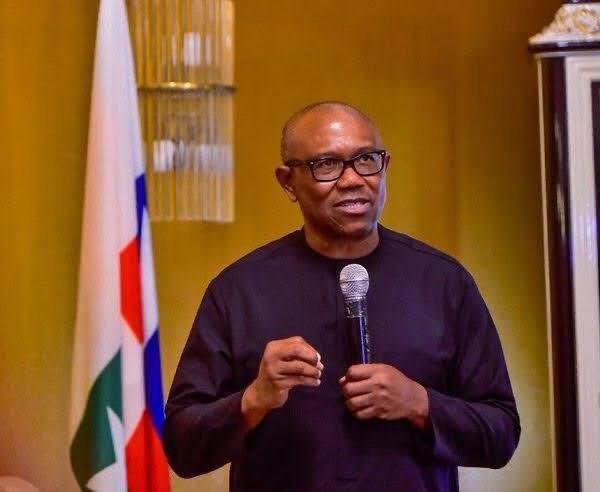
The Labour Party (LP) presidential candidate in the 2023 general elections, Peter Obi, has admonished youths to imbibe the spirit of hard work, discipline, and integrity as a sure path to success.
Obi, who is also a former governor of Anambra State, spoke through the Coordinator Obedient movement worldwide Dr Yunusa Tanko, during a Training program tagged, ” KADA SME’s HUB”
His empowering message centred on the importance of hard work, discipline, and integrity.
Obi reminded the youths that success in life is not determined by one’s background but by an unwavering commitment to doing the right things and working tirelessly towards achieving goals.
The Coordinator also shared part of Obi personal journey in the Business. explaining that although Obi was born and raised in Onitsha, success did not come easily.
He underscored that, like many of them, he too faced challenges but was able to overcome them through hard work and discipline.
On his part the Convener of the Training program Hassan Yakubu said because of the way we do business in the northern part, investigation revealed that it is always very difficult for small and medium business to start from the scratch and scall, He state’s that most of the business start and died withing five years. Hassan further said Not the issue of scaling to even manage the business become problems.
Hassan Highlighted that one cannot scale if he don’t understand how to Sell, and the important of Customers.
The Convener therefore called on Government Especially through SMEDAN to Collaborate with them to be able to train more Youths In the North.


 Defense News Online